Kiltir Péi Océan Indien
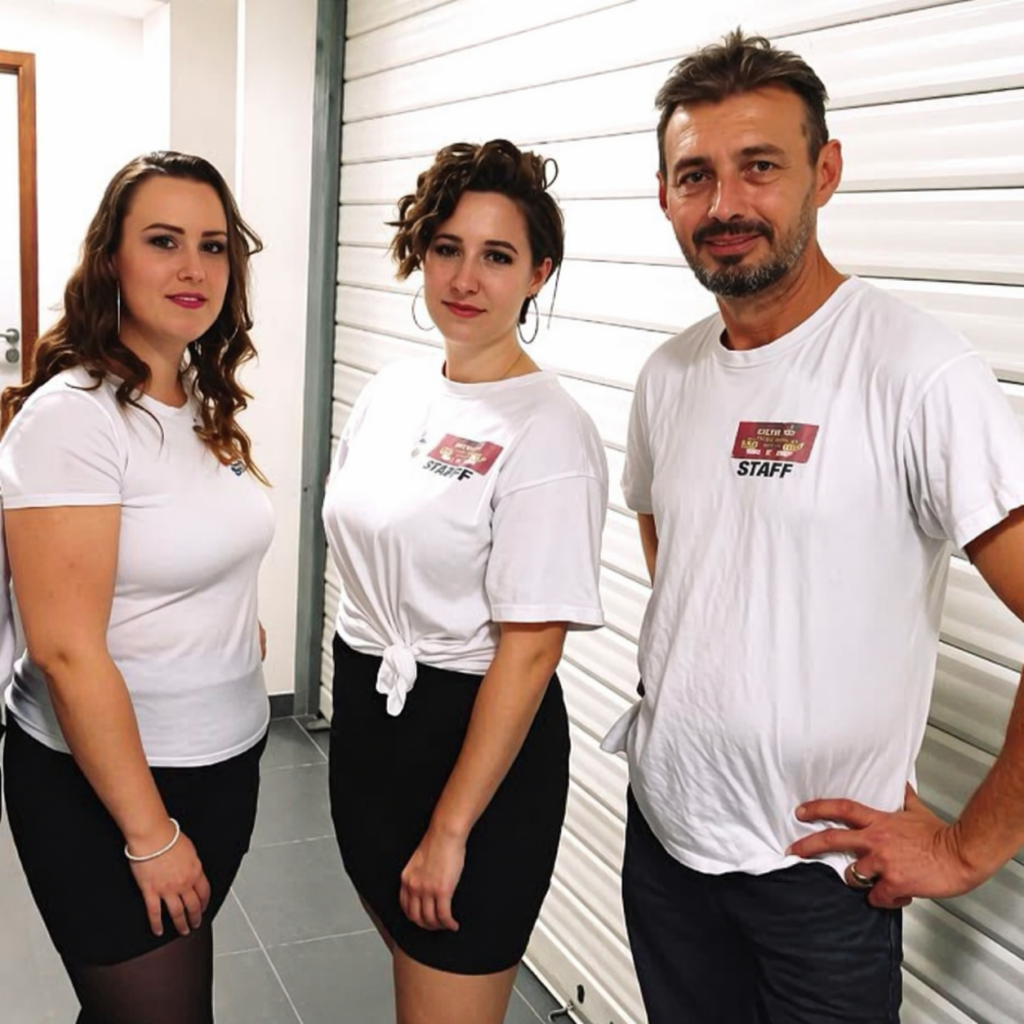
from left to right: Virginie Chellet (president), Laura Chellet (secretary), Loïc Chellet (Treasurer)
The association Kiltir Péi Océan Indien was founded in 2013. Its president, Virginie Chellet, created the association with the aim of (re)introducing and promoting the traditions of the Indian Ocean islands through artistic expression.
To achieve this, we organize events such as dance evenings, picnics, and dance workshops…
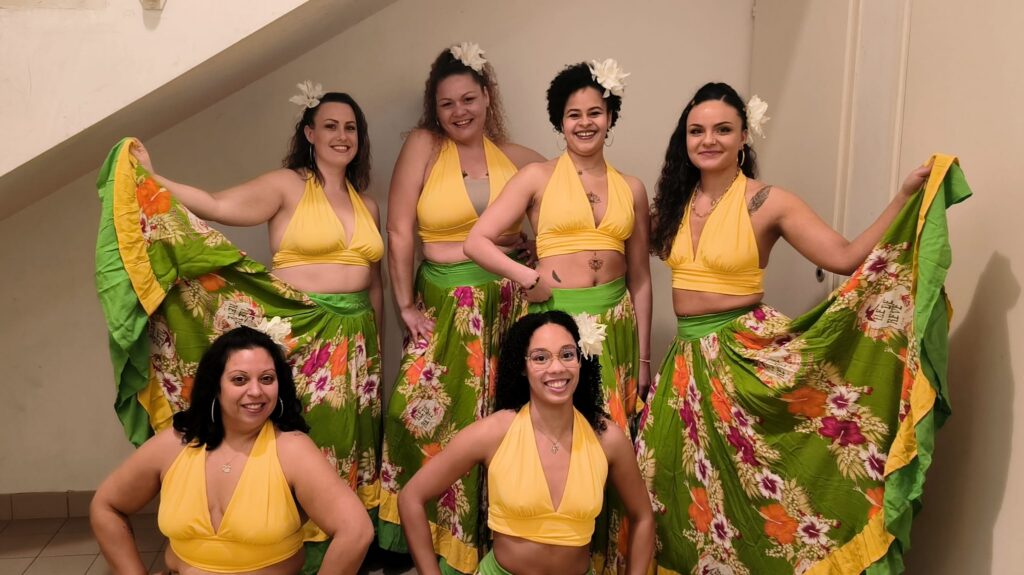
To support our projects, we have a dance group called K’dance Dézil, which performs traditional shows within the association as well as at:
- Public events such as dance dinners, restaurants, festivals, and carnivals
- Private events such as corporate parties, weddings, and baptisms
The dance group K’dance Dézil showcases séga and maloya, the traditional dances of Réunion Island and Mauritius.
Our vibrant performances, full of color and captivating rhythms, will take you on a journey through Creole history and tropical culture.
From stage to stage, our dancers have performed alongside some of the greatest artists from Réunion and Mauritius, and even won the title of Best Séga/Maloya Dancers in France in 2019!
What are Séga and Maloya?
Maloya is considered as the ancestral island’s music. It had both a spiritual and a communal dimension.
After abolition, maloya remained associated with the descendants of enslaved people and rural working-class communities.
“Originally, maloya in Réunion was far from the joyful sound we may associate with it today. Created to express the suffering and revolt of enslaved people of Malagasy and African origin, it gave voice to the indignation that simmered on the sugar plantations.
Passed down from generation to generation to honor ancestors, maloya has gradually evolved through cultural blending. Influenced by poetry, slam, rock, reggae, jazz, and even electronic music, the genre has experienced a revival. Traditional instruments such as the oulèr, bob, kayanm, and pikèr have been joined by other percussion instruments like the djembe, congas, triangle, and sati. Today, maloya is performed on stage by musical groups, with a much wider variety of lyrical forms. Numerous albums are released each year, and many national and international tours are organized. It is now even taught at the Regional Conservatory of Réunion Island.”
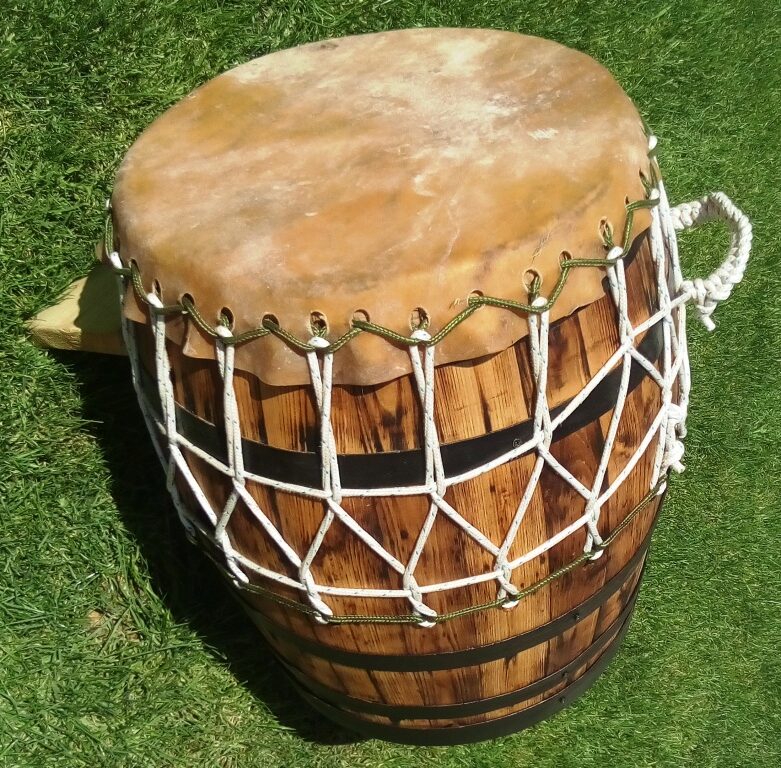
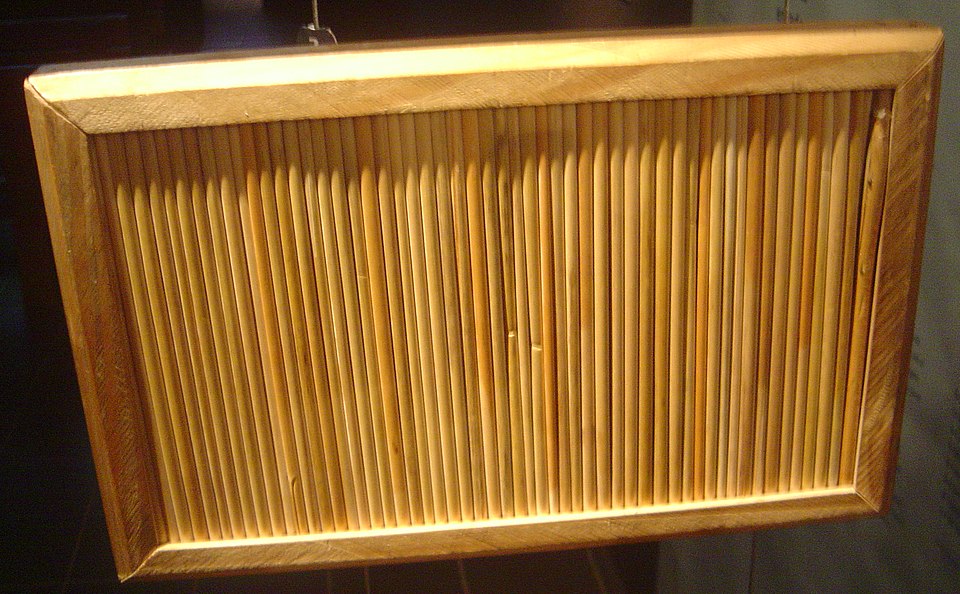
from: www.réunion.fr
The word “maloya” comes from the Malagasy expression maloy aho, meaning “to speak.”
from: www.réunion.fr
On the other hand, “the séga of Réunion Island is a form of music, as well as singing and dancing, that represents one of the key cultural markers practiced by all Réunion Islanders. It reflects the island’s cultural identity and heritage.”
from: www.réunion.fr
It originated in Réunion Island and Mauritius between the 17th and 19th centuries, in slave camps. At the time, enslaved people in Réunion and Mauritius would gather—often at night—around a fire to sing and dance. These moments allowed them to entertain one another, temporarily forget the harsh conditions of their lives, pay tribute to their origins (as many came from East Africa or Madagascar), and strengthen their sense of identity. In 1848, following the abolition of slavery, séga spread throughout the Creole community, becoming a popular form of music that was less tied to political resistance.
“Musicians perform using a variety of instruments, forming orchestras of varying sizes. Séga dancers perform either in pairs or in groups. The rhythm alternates between triple and duple time and can range from moderate to fast. The dance is characterized by rhythmic steps and fluid hip movements. Typically, the man invites the woman to dance. The dancers remain close without touching, moving freely with steps such as forward and backward motions, turning together without separating, and bending their knees during certain figures. At social dances, several couples perform simultaneously.
Séga songs are mostly sung in Creole and are inspired by everyday life, observations of nature, and sometimes political events. The lyrics are often approached with humor or a sense of irony.
Thanks to its wide audience, Réunionese séga helps strengthen social bonds and a sense of belonging. It continues to evolve and explore new musical influences.”
from: www.réunion.fr
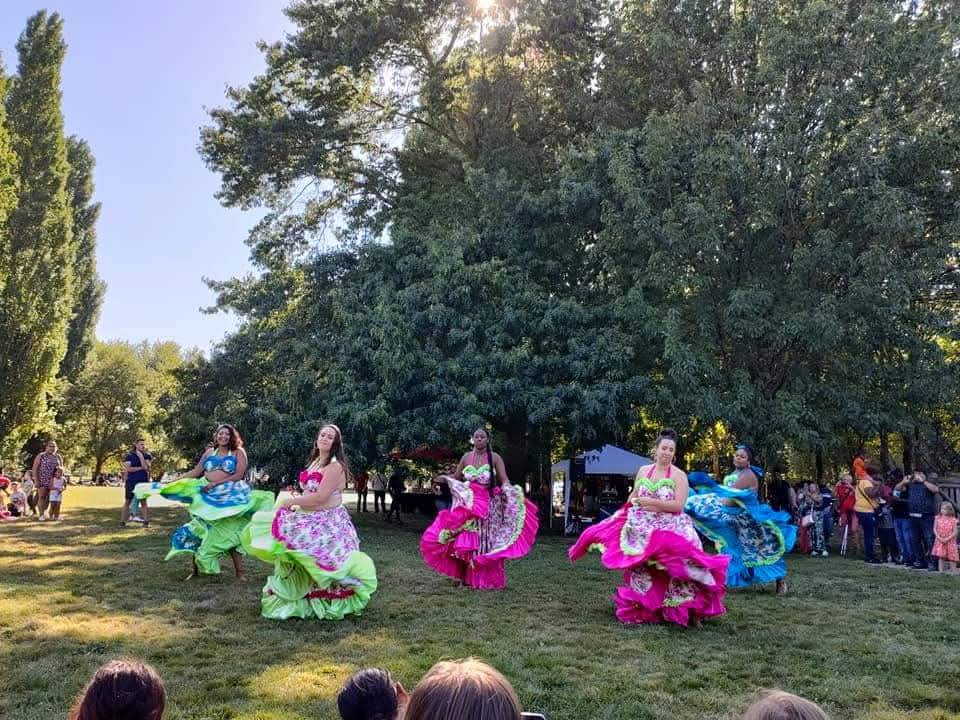
Our dance group “K’dance Dézil” performing